

+8801737-635803
(What’s App/Call)


Get More Customers And Sales From Google Search. Your ecommerce store needs more than products. It needs a strategy that helps customers discover, trust and purchase your products through organic search.
Increase your online store’s visibility, attract customers with buying intent and turn more organic searches into product views and sales.
Customers search, compare, and decide quickly. If your store is not visible, you lose sales. Ecommerce SEO helps your store rank better and become easier to understand for search engines and AI systems.
Oyamin Kabir provides ecommerce SEO services for Shopify, WooCommerce and other online stores. Every strategy is based on your products, categories, customers, competition and commercial priorities.
This service is part of SEO services.
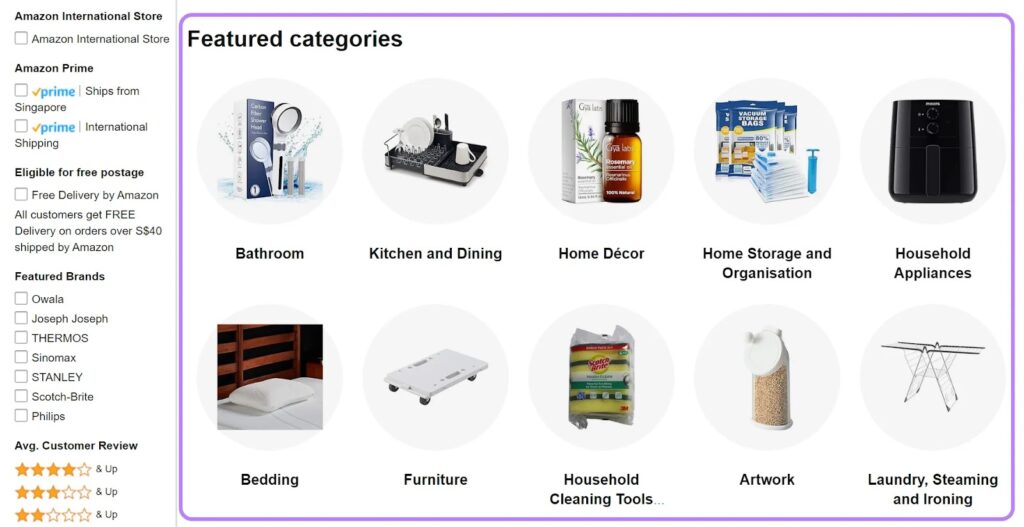
An ecommerce website can contain hundreds or thousands of products, categories, filters and URLs. Without a clear SEO structure, search engines may struggle to find the most important pages or understand which products should appear for relevant searches.
Ecommerce SEO Services improves the technical structure, content, product information and authority of your store.
Ecommerce SEO is the process of improving an online store so its product, category, collection and supporting content pages can perform more effectively in organic search results.
It focuses on key pages like products, categories, collections, and buying guides. It helps search engines understand:
SEO brings long-term traffic without ongoing ad costs.
SEO is about getting the right customers, not just traffic.
A complete Ecommerce SEO approach to help your business rank higher in Google
and improve search results.
Problem: Products exist but customers cannot find them. Solution: ✓ Product keyword research ✓ Product page optimization ✓ Category SEO
Problem: Many ecommerce stores use manufacturer descriptions. Solution: ✓ Unique product content ✓ Better product descriptions ✓ Search intent optimization
Problem: Google cannot understand product relationships. Solution: ✓ Category optimization ✓ Internal linking ✓ Site architecture
Problem: Large images and apps slow websites. Solution: ✓ Speed optimization ✓ Image compression ✓ Technical fixes
Problem: The store depends too much on paid ads and receives limited free traffic from Google. Solution: ✓ Ecommerce SEO strategy ✓ Keyword gap analysis ✓ Competitor SEO research ✓ Content marketing plan ✓ Organic traffic growth strategy
Problem: Product pages are not optimized to rank or convert visitors into buyers. Solution: ✓ SEO product titles ✓ Optimized product descriptions ✓ FAQ sections ✓ Customer review optimization ✓ Conversion-focused content
Problem: Google cannot fully understand product information like price, reviews, and availability. Solution: ✓ Product schema setup ✓ Review schema ✓ Rating markup ✓ Rich result optimization
Problem: Important products and categories do not receive enough SEO authority. Solution: ✓ Internal linking strategy ✓ Product-to-category linking ✓ Anchor text optimization ✓ Link structure improvement
Problem: Mobile users leave because the shopping experience is slow or difficult. Solution: ✓ Mobile SEO optimization ✓ Responsive design checks ✓ Mobile usability fixes ✓ Better navigation structure
A complete Ecommerce SEO approach to help your business rank higher in Google
and improve search results.
Every project begins with an analysis of the store’s current performance and technical condition. The audit may examine: * Crawling and indexing * Product and category URLs * Duplicate content * Canonical tags * Product variants * Filters and faceted navigation * Pagination * XML sitemaps * Internal search pages * Website speed * Mobile usability * Structured data * Internal linking * Product content * Category content * Backlinks * Organic competitors
Our identify how customers search for products, categories, features, brands and solutions. Research may include: * Product names * Product categories * Brands and models * Product features * Materials, colours and sizes * Customer problems * Commercial modifiers * Comparison searches * Buying-guide keywords * Seasonal searches * Questions about products * Competitor keyword gaps
Category pages often target broader commercial searches and can become some of an online store’s most important organic landing pages. Category optimisation can include: * Keyword targeting * Page titles * Meta descriptions * H1 and supporting headings * Introductory category content * Product organisation * Internal linking * Filter management * Image optimisation
Product pages should clearly explain what the product is, who it is for and why a shopper should consider it. Product-page optimisation may include: * Unique product titles * Clear product descriptions * Features and benefits * Specifications * Images and alt text * Price and availability info rmation * Product variants * Delivery information * Return information * Genuine customer reviews
Product structured data can help search engines understand details such as: * Product name * Images * Price * Availability * Condition * Brand * SKU * Ratings * Reviews * Shipping information * Return information * Product variants
Products available in different colours, sizes, materials or configurations require a consistent variant strategy. The review may examine: * Separate or combined variant URLs * Canonical implementation * Unique variant information * Product identifiers * Image selection * Availability * Internal links * Structured data * Merchant Center consistency
Removing every unavailable product immediately can waste existing authority and create broken customer journeys. Depending on the situation, recommendations may include: * Keeping temporarily unavailable pages live * Showing restock information * Offering related alternatives * Redirecting permanently discontinued products
Online stores frequently create large numbers of URLs through categories, filters, sorting options, product variants and internal search functions. * Crawl-budget waste * Duplicate URLs * Incorrect canonical tags * Parameter URLs * Faceted navigation * Broken product links * Redirect chains * Out-of-stock products * Discontinued products * Pagination * JavaScript rendering
Important products and categories should be reachable through crawlable navigation links. A clear structure may follow: Homepage → Main category → Subcategory → Product Internal linking can also connect: * Related products * Related categories * Buying guides * Comparison pages * Brand pages * Seasonal collections * Best-selling products * Newly launched products
Useful content can attract customers before they have decided which product to purchase. Content opportunities may include: * Buying guides * Product comparisons * Size guides * Care instructions * Gift guides * Product-selection guides * Frequently asked questions * Troubleshooting content * Seasonal resources * Use-case articles * Brand guides * Original research
Accurate product data can support eligible product appearances across Google. Merchant Center work may include: * Product title optimisation * Product descriptions * Product categories * GTIN, MPN and brand information * Variant information * Images * Price and availability consistency * Shipping information * Feed-error analysis * Free-listing eligibility checks
Our link building services Relevant opportunities may include: * Product guides * Resource pages * Industry publications * Supplier relationships * Brand partnerships * Expert contributions * Digital PR * Product research * Original data * Link reclamation
A complete Ecommerce SEO approach to help your business rank higher in Google
and improve search results.
We review the catalogue, website structure, priority categories, competitors and current organic performance. review the catalogue, website structure, priority categories, competitors and current organic performance.
Crawling, indexing, duplicate URLs, performance, structured data and other technical issues are evaluated.
Commercial keywords are assigned to the most suitable product, category or supporting content pages.
Recommendations are prioritised according to business value, technical impact and implementation requirements.
Approved technical, content and internal-linking changes are completed or supplied to your developer.
Organic clicks, important landing pages, product visibility, conversions and technical performance are reviewed regularly.
Depending on the project, deliverables may include:

We help Irish ecommerce businesses improve Google visibility, attract targeted customers and increase online sales through effective SEO strategies.
Locations:
Ecommerce SEO must manage product catalogues, category structures, variants, filters, duplicate URLs, product data and commercial search intent. These issues are less common on smaller service websites.
Broader commercial terms usually suit categories, while more specific product searches suit individual product pages. The decision should be based on search intent and current search results.
SEO is ideal for local businesses, service providers, ecommerce stores, startups, and websites with low organic traffic. It helps businesses attract customers actively searching for their products or services.
Ecommerce SEO is the process of improving an online store so product pages, category pages, and commercial pages can rank better in search results.
Priority products should contain useful and original information. Repeating manufacturer descriptions across many stores provides little differentiation.
Temporarily unavailable products can usually remain live with useful availability information and alternatives. Permanently discontinued products require a case-by-case redirect or removal strategy.
It helps online stores attract shoppers from organic search, reduce dependence on paid ads, and build long-term visibility.
Most stores need a few months to see clear results. The timeline depends on competition, technical issues, content quality, and authority.
Product pages, category pages, collection pages, brand pages, buying guides, and comparison pages are usually the most important.
Shopify can work well for SEO when product pages, collections, speed, metadata, internal links, and technical settings are properly optimized.
No. Correct structured data supports eligibility, but Google decides whether enhanced search features appear.
Yes. Recommendations can be adapted to Shopify, WooCommerce and other ecommerce platforms.
Get a complete ecommerce SEO audit and discover opportunities to increase organic sales.
(What’s App/Call)