

+8801737-635803
(What’s App/Call)


Discover The Right Keywords To Grow Your Google Rankings. Discover what your potential customers search for, understand why they search and build a clear SEO strategy around the opportunities that matter to your business.
Keyword research identifies what your audience searches for, while our on-page SEO services help assign those terms to the right pages and optimize the content effectively. It ensures your content matches real demand and supports your overall SEO services.
Oyamin Kabir provides professional keyword research services for local businesses, service companies, professional firms, startups and ecommerce websites. Every project focuses on relevance, search intent, commercial value and the pages required to attract qualified organic traffic.
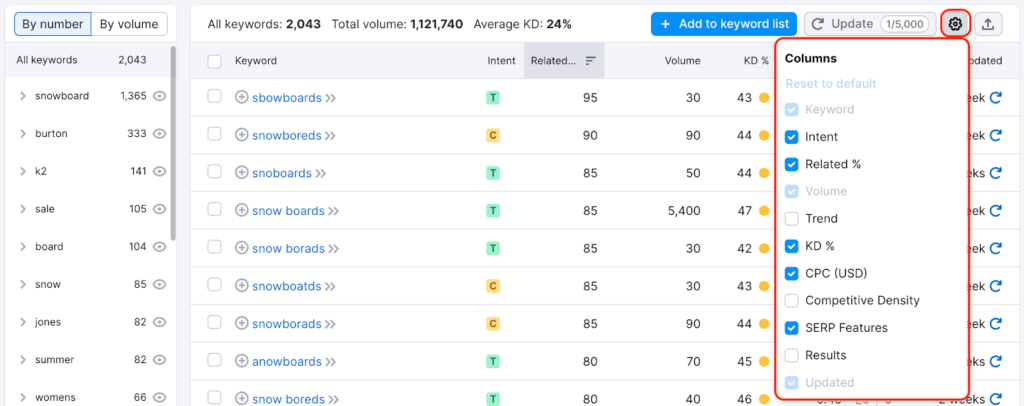
Successful SEO starts with understanding how your audience searches.
Choosing keywords based only on search volume can attract visitors who are unlikely to enquire, book or purchase. Effective keyword research considers what the searcher wants, how competitive the search is, which page should target it and whether the term supports a meaningful business goal.
The research can then support your on-page SEO services, content planning and wider SEO campaign.
Keyword research is the process of finding and analysing search terms people use online. It helps you:
Rank for relevant keywords and attract the right audience.
Problem: Many businesses target keywords that have traffic but no buyer intent. Solution: We identify keywords that bring potential customers.
Problem: Competitors may rank for keywords you never discovered. Solution: Competitor keyword gap analysis.
Problem: Random blog writing creates low-value traffic. Solution: Keyword-driven content planning.
A complete keyword research strategy rank higher and perform better in Google Search.
The process begins with understanding your business rather than immediately collecting keywords. This stage may examine: Core services or products Target customers Customer problems Service locations Business priorities Highest-value conversions Seasonal demand Industry terminology Existing website performance Future growth plans
Seed keywords are the starting terms used to explore a market. They may come from: Your services and products Customer enquiries Sales conversations Website analytics Search Console queries Competitor websites Industry terminology Reviews and customer feedback Related Google searches Relevant questions
Competitor research can reveal searches for which other businesses are visible while your website is absent or underperforming. The analysis may examine: Competitor service pages Ranking keywords Content gaps High-performing topics Page formats Commercial landing pages Location targeting Frequently asked questions Internal-linking patterns Weak or outdated competitor content
Every keyword is classified according to what the searcher is trying to accomplish. Common search-intent categories include: Informational Intent The user wants an explanation, answer, guide or instructions. Commercial Investigation The user is comparing services, providers, products or possible solutions. Transactional Intent The user is ready to enquire, book, subscribe or purchase. Navigational Intent The user is looking for a particular company, website or page. Local Intent The user wants a provider, product or service within a particular area.
Our Local SEO services use keyword research to identify how customers search for nearby businesses. Local research may cover: Service plus city searches Service plus neighbourhood searches “Near me” search patterns Emergency or urgent searches Local customer questions Location-page opportunities Google Business Profile categories Nearby competitor visibility Regional terminology
Keyword mapping assigns every priority keyword cluster to the most appropriate website page. The keyword map may show: Primary keyword Secondary keywords Related questions Search intent Recommended page Existing or new page Suggested URL Suggested page title Recommended H1 Content type Internal-linking opportunities Priority level
Long-tail searches are usually more specific than broad industry terms. For example, a broad keyword may describe a general service, while a long-tail search may include a problem, customer type, product feature, location or desired outcome. Long-tail research can identify: Specific customer needs Niche services Detailed product requirements Industry-specific searches Location-based demand Comparison searches High-intent questions Lower-competition opportunities
Our Ecommerce SEO services can map keywords across product, collection and category pages. Ecommerce research may include: Product names Product categories Features and specifications Customer problems Brands and models Product comparisons Buying guides Use cases Seasonal searches Commercial modifiers Product questions Alternative products
Keyword research can identify useful content that supports your core commercial pages. Recommended content may include: Guides Frequently asked questions Comparisons Checklists Case studies Industry explanations Product education Service-process content Customer problem pages Original research Local resources
Not every opportunity should be implemented immediately. Keywords can be prioritised according to: Business relevance Conversion potential Existing authority Competition Estimated demand Current ranking position Content requirements Implementation cost Customer journey Strategic importance
Modern search experiences increasingly reward content that clearly explains a topic and answers related questions. The research can identify: Core entities Related subtopics Common customer questions Supporting definitions Comparison points Important attributes Relevant use cases Evidence and examples Missing contextual information
Target: High conversion keywords: Example: Instead of: SEO Use: SEO consultant for small businesses Ireland
First, we understand the business foundation. Analyze: Services & products Target customers Industry Market location Business goals Customer problems Unique selling points (USP)
Understand the search behavior of potential customers. Analyze: Customer needs Common questions Buying behavior Customer journey Pain points Trending topics
Analyze competitors who are already ranking. Identify: Competitor websites Ranking keywords Top-performing pages Content gaps Backlink opportunities Keyword difficulty Competitor SEO strategy
Collect a wide range of keyword opportunities. Find: Short-tail keywords Long-tail keywords Local keywords Service-based keywords Product keywords Question-based keywords Transactional keywords Informational keywords Branded keywords Industry-specific keywords
Understand why users search for each keyword. Classify: Informational Intent Users looking for knowledge Example: "What is digital marketing?" Commercial Intent Users comparing solutions Example: "Best SEO agency" Transactional Intent Users ready to purchase Example: "Hire SEO expert" Navigational Intent Users searching for a specific brand Example: "Facebook login"
Group related keywords together. Create: Primary keyword groups Supporting keywords Topic clusters Content pillars Semantic keyword groups Example: Primary: "SEO Services" Supporting: SEO company SEO agency Local SEO services Website optimization
Match keywords with the correct website pages. Create mapping for: Homepage keywords Service pages Product pages Blog articles Landing pages Location pages
Find opportunities to create or improve content. Identify: Missing topics Competitor content gaps New blog ideas FAQ opportunities Featured snippet opportunities High-conversion content ideas
Select the most valuable keywords. Prioritize based on: Business relevance Search demand Ranking possibility Conversion potential Competition level User intent
Deliver a complete keyword strategy report. Includes: Keyword research sheet Primary & secondary keywords Keyword difficulty analysis Search intent classification Priority keyword list Competitor keyword insights Content opportunities Page mapping SEO content roadmap Ranking strategy recommendations
Evaluate keyword quality using SEO metrics. Analyze: Search volume Keyword difficulty Competition level Cost per click (CPC) Traffic potential Trend analysis Ranking opportunity
SEO is an ongoing process. Track: Keyword rankings Traffic growth New opportunities Competitor movements Content performance Keyword updates
Keyword Research Report Includes:
Happy
Clients
Years Experience
Project Completed
Support Available
OyaminKabir is an SEO consultant helping businesses improve Google rankings, increase organic website traffic, and generate more qualified enquiries through strategic, data-driven SEO solutions.
Services include SEO Audits, Local SEO, Technical SEO, On-Page SEO, Keyword Research, Link Building, Ecommerce SEO, and AEO/GEO Optimization. Every strategy is tailored to your business goals and industry.
SEO is ideal for local businesses, service providers, ecommerce stores, startups, and websites with low organic traffic. It helps businesses attract customers actively searching for their products or services.
Finding and analysing search terms people use online.
It helps attract the right visitors and improve rankings.
The reason behind a search, such as information or buying.
Assigning keywords to the correct pages.
Getting started is simple. Request a free SEO audit or contact OyaminKabir to discuss your website, business goals, and the best SEO strategy for long-term growth.
Ready to identify the keywords that can generate qualified traffic and leads? Contact OyaminKabir to discuss your business and target market.
(What’s App/Call)